
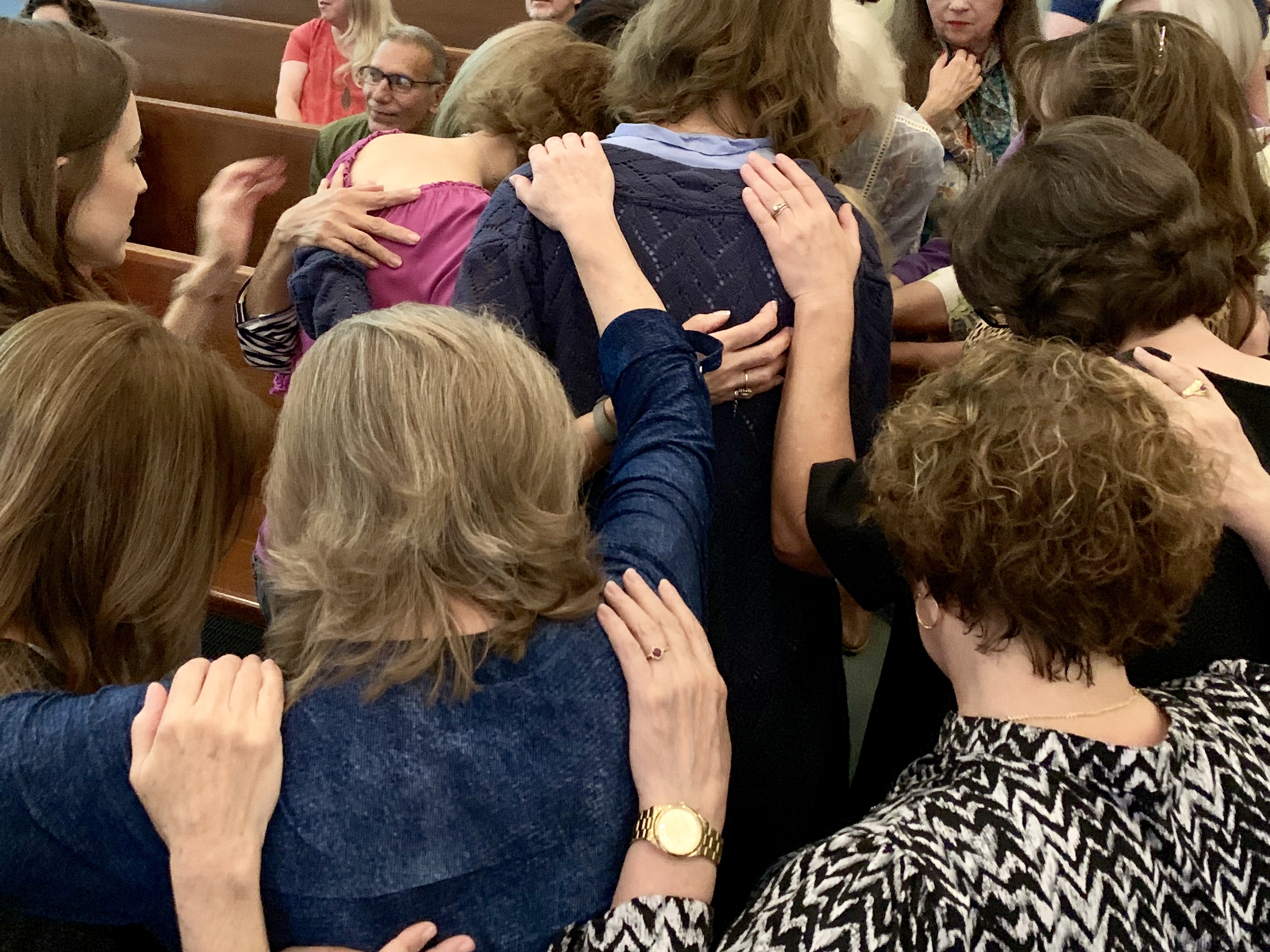
“When the horse dies, dismount.” That’s the advice I got from a Texas pastor regarding ministries in the church that no longer serve a purpose. Most churches still meet on Wednesday, for instance, but have chosen to “dismount” the “dead horse” of the traditional prayer meeting and no longer offer one.
The issue is not that people don’t pray because they do. When people pray, however, 94% of them pray alone. In other words, the horse named “prayer meeting” is DOA.
Is it time to dismount? Or is it time for a resurrection?
PRAYER MEETINGS CHANGE THE WORLD
The book of Acts is a book of prayer. Private prayer, however, is rarely mentioned.
Instead, whenever the church needed the Spirit’s power for evangelism, they gathered for a prayer meeting (Acts 1:14ff). When they faced persecution, they launched a prayer meeting (Acts 4:23-31). The early church had only one response when their pastors were imprisoned. They started a prayer meeting until their leaders were set free (Acts 12:1-5).
Other than the gathering in the upper room before Pentecost, arguably the most significant prayer meeting ever conducted was a small, multi-day event in Antioch. There, while the group was fasting and praying, the Holy Spirit called Paul and Barnabas to reach the gentile world with the Gospel. That prayer meeting changed the world (Acts 13:1-5). It’s clear that prayer meetings were the preferred choice of the powerful early church, so why are prayer meetings nearly extinct in the powerless church culture that has survived?
Prayer meetings change the world, but maybe not the way we typically conduct them. Is there a better way? Yes. Here are three ways to resurrect the dead prayer meeting:
1. PASTORS TAKE THE LEAD
Pastors report spending, on average, between 10-18 hours preparing just one of their weekly sermons. But when it comes to a church prayer meeting, how much time do we devote to preparing? Isn’t a powerful prayer meeting important too? We may argue that prayer should be spontaneous and unplanned so that it might be genuinely led by the Spirit. That’s a good argument until we notice how our lack of planning has left us with dead church prayer meetings.
In the city-wide prayer meetings I help lead, as well as in the local congregation, we begin with a theme. Then, we add relevant Scripture that reinforces that theme. We want our prayer meetings to be Spirit led and Scripture fed. We urge those leading not to “preach” but to pray. Planning is not about writing a script or being unnecessarily controlling but instead about building a platform to welcome the presence of God.
In a local church’s prayer meeting, the pastor must take the lead and provide prayerful leadership to this desperately needed ministry. As Leonard Ravenhill warned us, “The pastor who isn’t praying is playing.”
2. STRIKE UP THE BAND
When King David moved the ark to Jerusalem and envisioned a permanent temple, one of his first actions was the selection of hundreds of musicians and singers to fuel the unceasing worship in the house of prayer (1 Chronicles 25:6-7). Since the worship was to be nonstop, the need for musicians rotating in shifts climbed into the thousands (1 Chronicles 23:5).
When we review the status of our prayers kept in heaven, we find them held in “golden bowls” (Revelation 5:8). The creatures holding the bowls of prayer are all carrying harps, too, thus uniting prayer and the music of praise.
Paul also knew that music could be a form of prayer—especially when we’re not just singing about God but worshipfully singing to God! Paul said that one of the pieces of evidence of a Spirit-filled life is a heart full of singing: “Addressing one another in psalms and hymns and spiritual songs, singing and making melody to the Lord with your heart” (Ephesians 5:19). Notice that worship and prayerful singing is “to the Lord.” It’s a praise gift to God while we pray.
Prayer sings. The biblical history of music combined with prayer is a powerful pattern for today. In your prayer meetings, find a way to incorporate worship music and congregational singing. Something powerful occurs when singing praise becomes a form of prayer. The psalmist recognized it 3000 years ago when he wrote,
“Yet you are holy, enthroned on the praises of Israel” (Psalm 22:3).
3. LOSE THE LIST, OPEN THE MIC
We love lists. Most church “prayer meetings” I’ve ever been part of have been dependent upon someone writing down prayer requests and finally voicing a prayer when the list was complete. Unfortunately, compiling the list can take 10 minutes, and the prayer can last two minutes. Prayer meetings without prayer are like the fig tree in the gospels—all fig leaves but no figs! We don’t see list-based prayer meetings in the New Testament, and our lifeless facsimiles of real New Testament prayer meetings signal the need for a paradigm shift.
As a pastor, I moved our people away from lists over time. They still happened occasionally, but not in the prayer meetings I led.
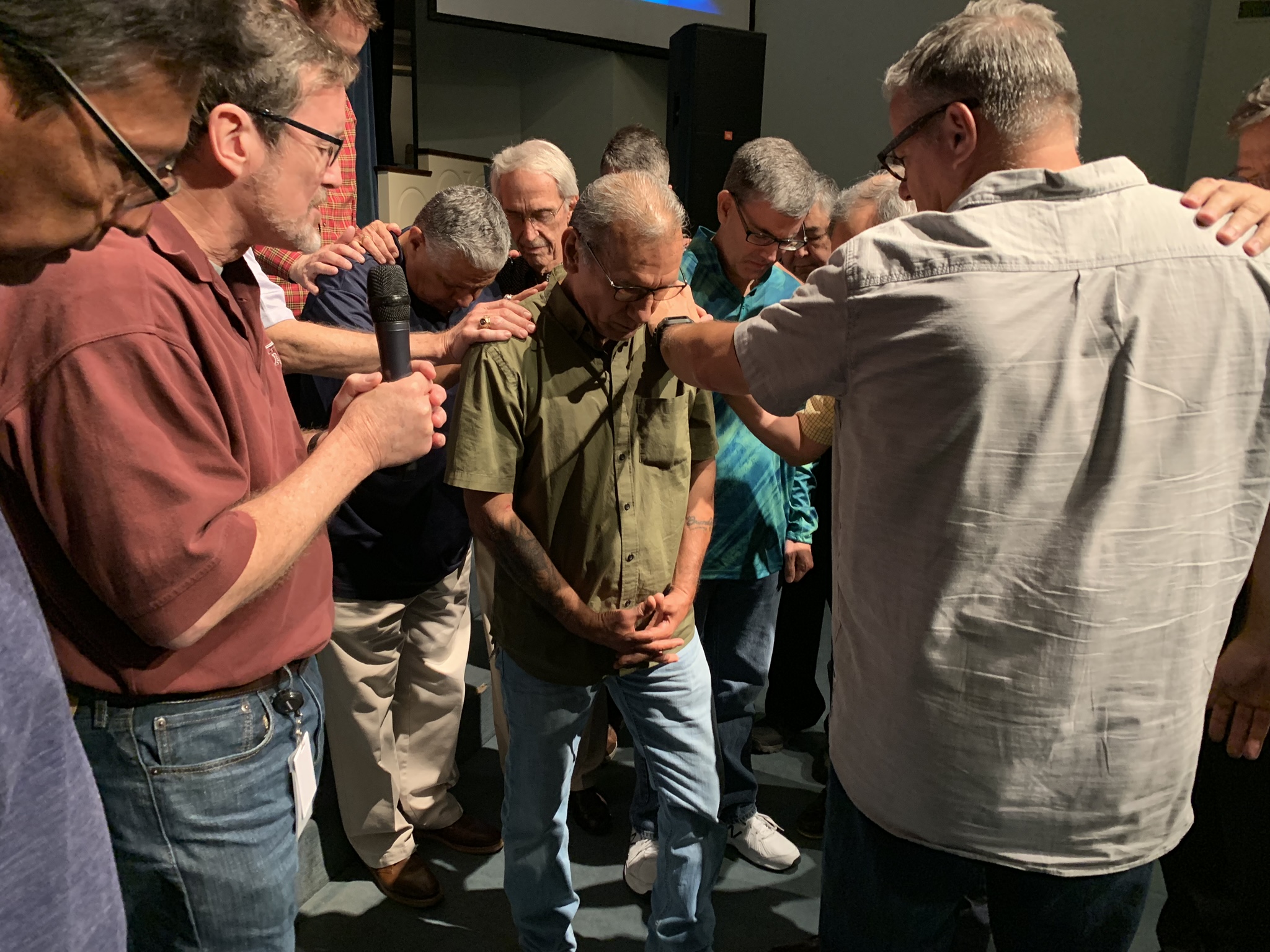
One night, at one of our church-wide prayer meetings, rather than build a list, I challenged people to share with the congregation whatever they wanted prayer for if it directly related to their lives. It was astounding how transparent and vulnerable people became in that setting. In every conceivable family, the financial, physical, spiritual, and emotional struggle was shared. This approach became the norm for our prayer meetings. People began sharing gut-wrenching stories and personal pain most of us could relate to but didn’t expect to hear. I then called anyone who had ever found victory in that area to come to pray for the person standing beside me in front of the church. It was electrifying. That one gesture—opening the mic for people to personally share their needs—changed our prayer meetings. The prayer meeting came to life.
We want everyone to be prayed over, so keeping a prayer list for ongoing needs in the church family still makes sense. But if you want to fire on your prayer meeting, open the mic for personal prayer requests and watch for spontaneous combustion.
None of this happens overnight. It requires planning, persistence, and patience. But if your church brings your prayer meeting back to life, your prayer meeting will bring your church back to life.
-Kie Bowman
(This article originally appeared in Baptist Press)
 Kie Bowman